
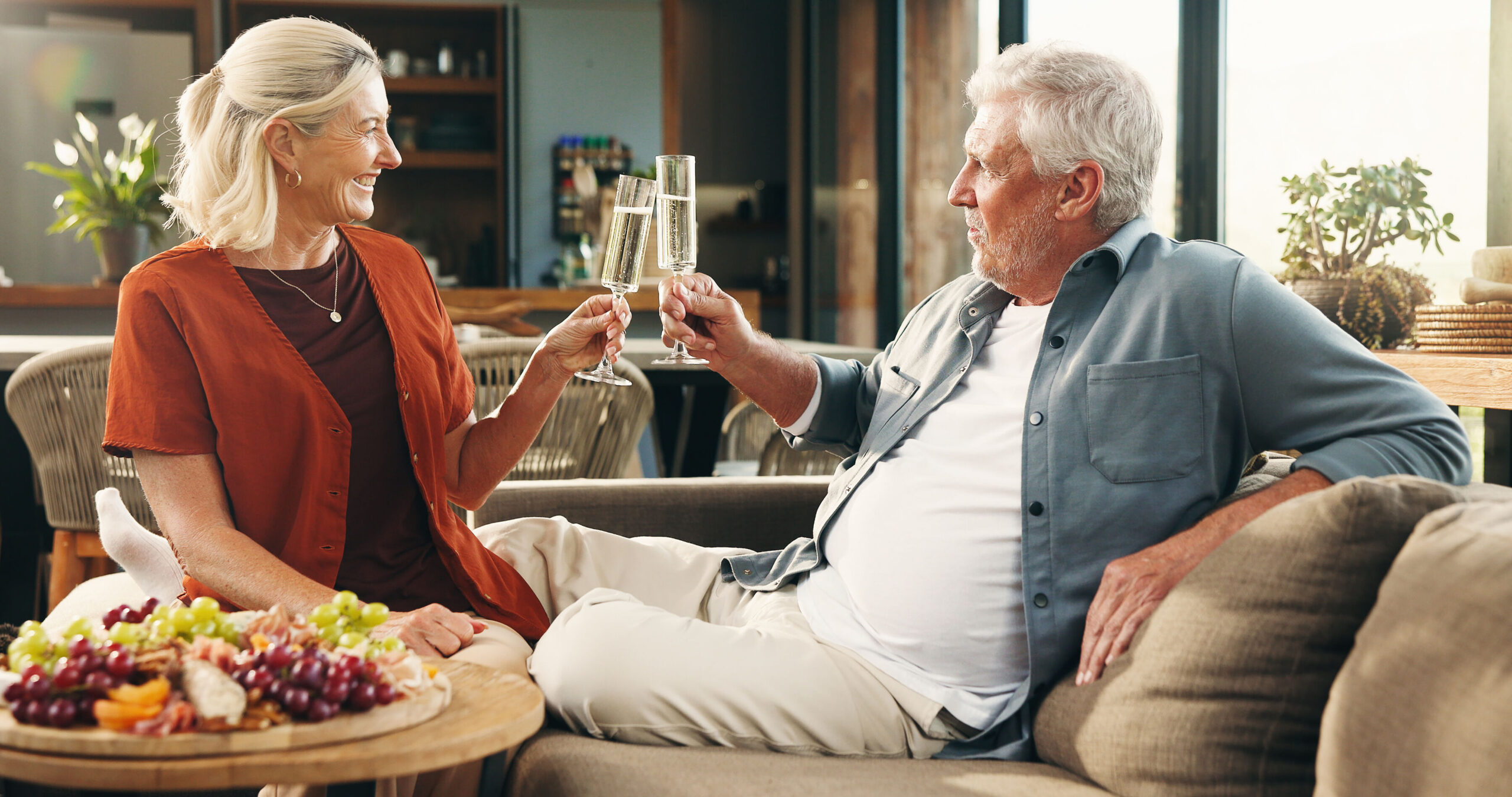
Getting back into dating later in life can feel equal parts exciting and overwhelming, and that’s completely normal. Here’s a practical, no-pressure guide to finding single seniors in your area and actually enjoying the process.
Why So Many Seniors Are Dating Again (and Loving It)
The numbers are hard to ignore. According to the Pew Research Center, the divorce rate for adults over 50 has roughly doubled since the 1990s, a demographic shift that’s pushed millions of older adults back into dating, many for the first time in decades. Add longer life expectancy, better health outcomes, and retirement freeing up time that careers once consumed, and you’ve got a generation of seniors who aren’t just open to relationships. They’re actively seeking them.
What surprises most people re-entering the dating world after 60 or 70 is how different it feels from the first time around. There’s less performance anxiety. Less pretending. You already know who you are, what you need from a partner, and maybe more importantly, what you absolutely won’t put up with. That clarity is genuinely rare, and it makes for better relationships than most people had in their 30s.
The Honest Case for Senior-Specific Dating Platforms
Not all dating platforms are worth your time. General apps like Tinder are technically available to anyone, but their architecture is built around rapid-fire swiping and a user base that skews heavily under 40. The experience can feel alienating fast.
Senior-focused platforms are a different animal entirely. SilverSingles uses a personality-based matching system that pairs users based on compatibility rather than just proximity and photos. The interface is clean and deliberately simple. OurTime takes a broader approach and is essentially the largest dating community built exclusively for singles over 50, which means a deeper local pool in most mid-size to large cities. If you’re in a more rural area, Match.com is worth considering alongside the senior-specific options, since its sheer size means you’re more likely to find people within a reasonable distance.
The honest caveat: none of these platforms are free, at least not in any meaningful way. OurTime runs around $20 to $30 per month. SilverSingles is comparable. Treat it like any other recurring expense, worth it if you’re actively engaged, wasteful if you sign up and forget about it.
What a Good Profile Actually Looks Like
Here’s where most people shoot themselves in the foot. They post one slightly blurry photo taken at a family event three years ago, write four generic sentences about liking walks on the beach and good conversation, and wonder why nothing happens.
Your photo does most of the work, so treat it that way. Use a recent one, ideally within the last year, taken in natural light where you’re smiling and look like yourself on a good day. Candid shots from real activities like hiking, cooking, or a trip somewhere tend to outperform posed headshots. Include at least two photos. Three is better.
Your bio should answer one specific question: why would someone enjoy spending an afternoon with you? Not “I’m kind and love to laugh” because everyone says that and it means nothing. Something like: “I’m a retired high school history teacher who can’t resist a good estate sale, makes a legitimately great brisket, and has strong opinions about the best hiking trails in the Blue Ridge.” That’s a person. That’s someone worth messaging.
Don’t write about what you’re not looking for. Profiles that lead with “no games” or “not here for hookups” create a defensive tone that undercuts everything else. Focus forward.
In-Person Options Are Underrated
Online dating gets most of the attention, but some of the most durable senior relationships still start face-to-face. Local senior centers have genuinely evolved and many now offer programming that goes well beyond bingo, including art classes, fitness groups, day trips, and volunteer coordination. The YMCA’s SilverSneakers program runs fitness and social programming specifically for older adults at locations across the country, and the social dynamic there is notably more relaxed than a dating app because there’s no explicit romantic pressure. You’re just people doing something together, which is a surprisingly good starting point.
Community education programs at local colleges are another underused resource. A six-week cooking class or a photography workshop puts you in sustained contact with the same group of people over time, which is how most meaningful relationships actually develop. Proximity and repetition matter more than most people realize. You get to see how someone handles a frustrating situation, whether they’re generous with their time, whether they make you laugh. Dating apps simulate that process; in-person settings deliver it for real.
Volunteering is worth mentioning separately because it works on two levels. You’re meeting people who share your values, which is a better filter than any algorithm, and you’re doing it in a context where conversation flows naturally because you’re both focused on a shared task rather than sizing each other up. Many people find that the friendships formed through volunteering eventually lead somewhere unexpected, and even when they don’t, the connections are worth having on their own terms.
Staying Safe Without Becoming Paranoid
Safety concerns are legitimate, and taking them seriously is just common sense. The Federal Trade Commission reports that romance scams cost Americans over $1.3 billion in 2022, with adults over 60 among the most frequently targeted groups. The patterns are consistent. Watch out for someone who:
- Seems unusually attractive and moves very quickly to establish emotional closeness
- Always has a reason they can’t meet in person, such as a military deployment or overseas work contract
- Asks for money or has a sudden financial emergency after a short period of contact
- Avoids video calls or gives inconsistent details about their life
If someone checks more than one of those boxes, trust that feeling. Video chat before agreeing to meet. A genuine person will have no objection to a 10-minute video call, and anyone who consistently dodges it has told you something important.
For first meetings, public places in the middle of the day are fine. A coffee shop, a farmers market, a walk in a park. Tell someone where you’re going. Keep your phone charged. These aren’t extraordinary precautions; they’re the same things you’d do in any unfamiliar situation.
The Part Nobody Talks About: Rejection and Resilience
Dating at any age involves rejection. Dating after 60 or 70 involves rejection with the added weight of a long relationship behind you, possibly grief, possibly a few years of solitude you’d grown comfortable with. That’s a real psychological load, and pretending otherwise doesn’t help anyone.
What does help is lowering the stakes on individual interactions. A first coffee is just a first coffee, not an audition for a life partner and not a referendum on your worth as a person. Most first meetings won’t go anywhere, and that’s fine. The ones that do tend to be obvious fairly quickly.
Research from the National Institute on Aging consistently links social connection, including romantic relationships, to better cognitive outcomes and lower rates of depression in older adults. That’s not a small thing. The effort is worth it, even when individual attempts don’t pan out.
Moving Forward at Your Own Pace
There’s no correct timeline here. Some people are ready to date six months after losing a spouse; others need years. Some want a serious long-term relationship; others want companionship without cohabitation or marriage. All of those are valid, and the dating landscape today is wide enough to accommodate most of them.
What matters is deciding what you actually want before you start, not in a rigid way, but enough to recognize it when you find it. Single seniors in your area are looking. The tools to find them have never been more accessible. The next step is yours to take, on your own schedule, without apology.