
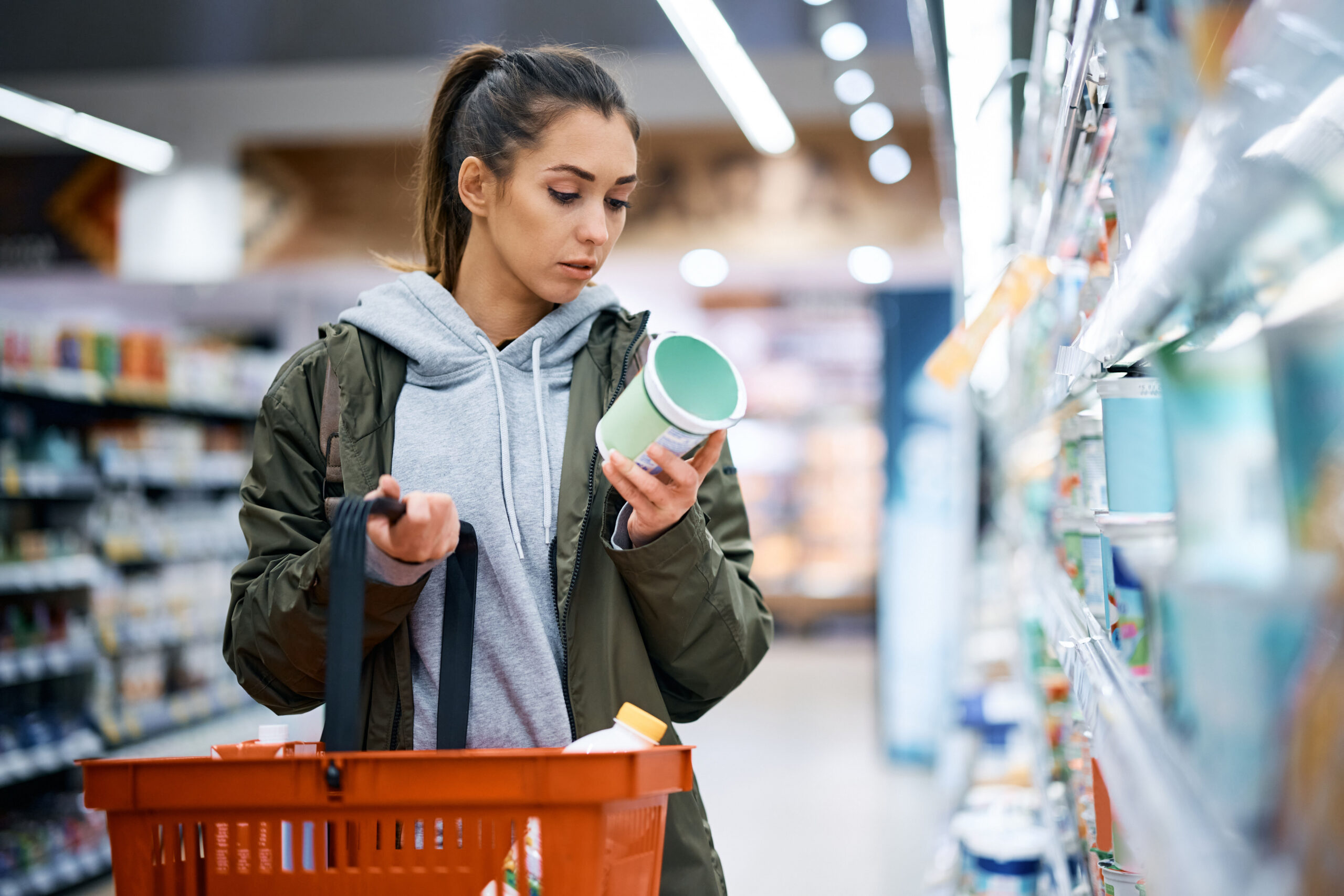
Food labels are designed to reassure, not inform. Words like “natural,” “clean,” “light,” and “made with real ingredients” trigger instant trust, even when the product itself isn’t meaningfully healthier or better for you. That trust often comes with a higher price tag.
The real cost of “healthy” food isn’t always nutritional. It’s psychological. Understanding how labels influence perception makes it much easier to shop smarter without feeling deprived or misled.
Why “Healthy” Labels Work So Well on the Brain
Humans rely on shortcuts when making decisions, especially in busy environments like grocery stores. Labels act as those shortcuts.
Behavioral research discussed by Psychology Today shows that people use visual and language cues to make rapid judgments when time and attention are limited. A green package or wellness buzzword signals safety and virtue before logic has time to catch up.
Once the brain labels something as “good,” price sensitivity drops.
The Health Halo Effect That Drives Overspending
The health halo effect happens when one positive claim makes a product seem healthier overall, even if the rest of the nutrition profile is unchanged.
For example, “gluten-free” cookies are still cookies. “Organic” sugar is still sugar. “Plant-based” snacks can still be highly processed.
According to consumer behavior analysis often cited by Harvard Business Review, people consistently underestimate calories and overestimate health benefits when products carry health-forward language.
That halo makes higher prices feel justified.
Why “Natural” Is One of the Most Misleading Words
“Natural” sounds meaningful, but it has no consistent regulatory definition for most foods.
Manufacturers can use it even when products contain processed ingredients, added sugars, or refined oils. The word signals simplicity without guaranteeing it.
According to explanations from Consumer Reports, “natural” is one of the least reliable indicators of nutritional quality, yet it remains one of the most persuasive.
Trusting the word instead of the ingredients is where the premium sneaks in.
How Green Packaging Signals Value Without Substance
Color psychology plays a big role in food marketing. Green, beige, and earthy tones are strongly associated with health, sustainability, and purity.
Research summarized by The Decision Lab shows that visual cues influence perceived quality before any information is read. Products with “healthy-looking” packaging are often assumed to be better and worth more.
That assumption allows brands to charge more without changing the formula.
“Low-Fat” and “Light” Labels That Cost More and Deliver Less
Low-fat and light products often replace fat with sugar, starches, or additives to preserve taste.
While fat reduction once dominated nutrition messaging, modern research shows that sugar content and processing matter just as much, if not more.
According to nutrition guidance referenced by Harvard Health, low-fat labels don’t automatically indicate a healthier product and can distract from more important factors.
Yet these products are frequently priced higher due to perceived benefit.
The Protein Premium That Inflates Grocery Bills
Protein is one of the most powerful food marketing levers right now. Products labeled “high protein” or “protein-packed” often cost significantly more.
While protein is important, many people already get enough through regular meals. Adding protein to snacks doesn’t always improve nutritional balance.
Consumer pricing analysis discussed by NPR shows that protein-labeled products often carry higher prices without proportional benefits.
The label sells reassurance more than necessity.
“Made With” Claims That Hide the Full Story
“Made with whole grains.” “Made with real fruit.” “Made with olive oil.”
These phrases are technically true while still being misleading. They don’t tell you how much of the ingredient is actually included.
Often, the highlighted ingredient appears far down the ingredient list, meaning it contributes very little to the product.
According to label interpretation guidance from FDA resources often cited by consumer advocates, ingredient order matters more than front-of-package claims.
The bold print distracts from the fine print.
Organic Labels and the Assumed Health Upgrade
Organic labeling refers to how food is produced, not necessarily its nutritional value.
Organic cookies, chips, and candy are still indulgent foods. They just use certified ingredients.
Research summarized by Consumer Reports notes that while organic farming has benefits, it doesn’t automatically make packaged foods healthier.
The organic premium often reflects production standards, not improved nutrition.
Why “No Added Sugar” Isn’t the Same as Low Sugar
“No added sugar” sounds like a win, but it doesn’t mean low sugar overall.
Products can contain high levels of naturally occurring sugars from fruit concentrates or juices while still using this claim.
According to explanations from Harvard Health, sugar content matters regardless of source when it comes to blood sugar and calorie load.
The wording reduces guilt while keeping sweetness high.
Serving Sizes That Shrink to Look Healthier
Nutrition labels are based on serving sizes, not realistic portions.
Many “healthy” snacks reduce serving sizes to make numbers look better. Calories, sugar, and sodium appear lower simply because the portion is smaller.
Behavioral research cited by Psychology Today shows that people rarely adjust for unrealistic serving sizes, leading to unintentional overconsumption.
Smaller numbers feel safer, even when the package is eaten whole.
The Cost of “Free From” Marketing
“Free from” claims like dairy-free, soy-free, nut-free, or gluten-free serve important needs for some shoppers. For others, they’re unnecessary upgrades.
These labels often justify higher prices even when the absence of an ingredient offers no benefit to the buyer.
Consumer trend analysis from NerdWallet notes that specialty labels frequently inflate prices due to perceived exclusivity.
Freedom from something doesn’t always mean improvement.
Why Health Claims Reduce Price Sensitivity
Once a product is perceived as healthier, people become less sensitive to price differences.
Behavioral economics research discussed by The Decision Lab shows that moral framing reduces cost scrutiny. People spend more freely when purchases feel virtuous.
Healthy labels create moral permission to spend.
The Smart Way to Read Labels Without Overthinking
You don’t need to memorize nutrition science to avoid label traps.
A few consistent habits make a big difference:
Check the ingredient list length and order
Compare unit prices, not just package claims
Look past front-of-package language and focus on totals
These steps reduce marketing influence without turning shopping into a chore.
Why Similar Products Often Cost Less Two Shelves Away
Many premium “healthy” products have nearly identical counterparts at lower prices.
Store brands, less flashy packaging, or products without buzzwords often offer the same nutrition profile without the markup.
Consumer testing frequently cited by Consumer Reports shows minimal differences between many branded and generic items.
The savings come from skipping the story, not the substance.
How Marketing Shifts Responsibility Onto Shoppers
Food companies market reassurance, then place the burden of interpretation on consumers.
When confusion leads to overspending, shoppers often blame themselves for “not eating well enough,” rather than recognizing the design.
Understanding this dynamic removes guilt and restores agency.
Why Feeling Healthy Can Be More Expensive Than Being Healthy
Products that make you feel like you’re making a good choice often cost more than foods that actually support balanced eating.
Whole foods, simple ingredients, and minimally processed options are often cheaper, but less exciting to market.
The price difference reflects storytelling, not nutrition.
Making “Healthy” a Behavior, Not a Label
Healthier eating doesn’t come from labels. It comes from patterns.
Focusing on overall balance, variety, and consistency matters more than individual claims.
This shift reduces reliance on marketing shortcuts and lowers grocery costs naturally.
How Awareness Changes Spending Without Sacrifice
Once you see label tactics, they lose power.
You don’t need to avoid all packaged foods. You just need to stop paying extra for promises that don’t deliver.
Awareness replaces restriction with confidence.
Why This Matters for Long-Term Grocery Costs
Paying a small premium repeatedly adds up quickly.
Label-driven spending creep can quietly raise grocery bills by hundreds of dollars per year without improving health.
Understanding the tricks protects both your wallet and your peace of mind.
Final Insight: Healthy Isn’t a Font Choice
Health doesn’t come from green packaging, buzzwords, or claims on the front of a box.
It comes from what’s actually inside and how often you eat it.
When you shop based on substance instead of signals, spending drops and confidence rises.
That’s real smart shopping.
Sources
https://www.consumerreports.org
https://www.psychologytoday.com
https://hbr.org
https://thedecisionlab.com
https://www.nerdwallet.com